Towards Dependable Ship Digital Systems with WARRaNT
Konnecta joins WARRaNT, a Horizon Europe project on the dependability, safety, cybersecurity and resilience of waterborne digital systems, with navIQore set to host vessel digital twins for dependability assessment — starting with a GNSS-spoofing use case already under way.
- Context
- WARRaNT
- Project
- WARRANT
Konnecta joins WARRaNT (warrant-project.eu) — WAterborne fedeRated systems and models for secuRe and resilieNt operations — a Horizon Europe project addressing a question that grows more pressing as vessels become more connected and automated: how do you assess and maintain the dependability of increasingly interconnected ship digital systems, covering navigation, automation, communication and cargo, when faults, cyber incidents or unreliable information can affect vessel operations in ways a single-instrument check will not catch?
WARRaNT brings together maritime hazard and risk-management methods, cybersecurity, resilience engineering, human factors, digital twins and knowledge graphs, and validates this combined approach across four Living Labs covering dependable containership digital systems, smart container connectivity, resilient automation for autonomous green vessels, and dependable remote-operation systems.
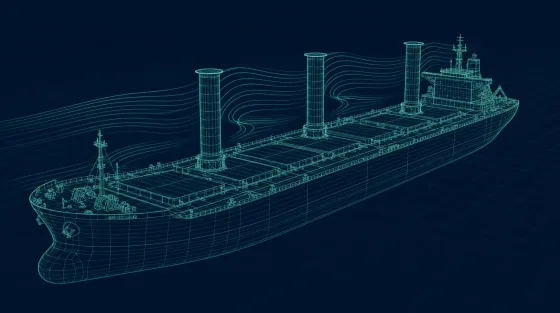
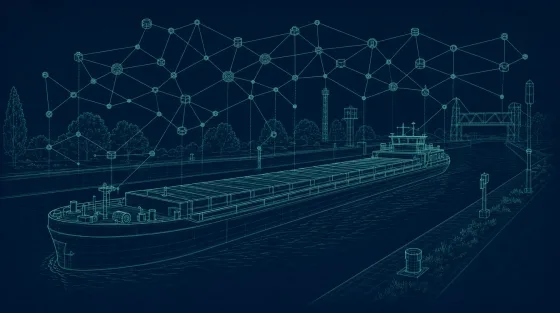
Within this project, navIQore is intended to host the digital twin of a vessel's digital systems, fed by real-time operational data to support dependability assessment alongside WARRaNT's methodology. One use case already under way looks at GNSS spoofing — a problem of particular industry interest, given how often vessels operating near conflict areas have reported losing or falsifying their reported position. Building on the vessel and waterway digital-twin experience already gained through the FOREMAST project, the work is also expected to extend into autonomy and remote-operation applications of navIQore.
This is an early-stage contribution rather than a finished capability: WARRaNT's Living Lab validation runs over the following years, and navIQore's role in hosting and assessing ship-system digital twins will be shaped by what that work confirms. It nonetheless marks a natural extension of navIQore's digital-twin foundation, from vessel performance monitoring into the dependability of the digital systems a vessel increasingly relies on.